
SaaS Marketing Agency in Dubai, Replace Manual Ops With Automation That Scales
AI automation, n8n workflows, and CRM implementation for Dubai software companies losing time to disconnected tools and slow lead handling.

2-4 weeks
Time to go live
24/7
Workflows running unattended
10 min
Lead in CRM, not 1 day
Software as a service means the customer rents the product rather than owning a copy: think Slack, Shopify, HubSpot or Zoho, the SaaS examples nearly every team here already pays for. That model is why a developer at a SaaS company spends so much time on integration rather than features.
Software teams in Dubai don't usually have a tooling shortage. They have a glue problem. Signups land in one app, billing in another, support somewhere else, and the sales pipeline in a spreadsheet. Someone spends their week moving records between systems by hand, and leads sit unworked while everyone is busy with ops.
We build the layer that holds it together. We implement a CRM your team will actually use, wire your tools into automated n8n workflows, and add an AI automation layer that handles the judgment calls, scoring leads, routing tickets, drafting the obvious replies. For a closer look at how we approach it, see our take on business process automation for growing teams.
The result is simple: your people stop being the integration between your tools, and the work that used to need a hire now runs on its own. You scale the business without scaling the busywork.
Who we work with in technology and SaaS
The glue problem looks different depending on the kind of software you build. As a SaaS marketing agency in Dubai, we work across the sub-verticals below, and the right automation and CRM setup changes with each one.
FinTech and payments
Payments and FinTech teams live and die by data that has to be right and on time. Transactions sit in one system, KYC and onboarding in another, support and disputes somewhere else. We connect those flows so a new account, a payment status change, or a flagged transaction updates the CRM and alerts the right person automatically, instead of someone reconciling tabs by hand. Reporting stays current because the numbers come from the source, not a weekly export. Where you handle regulated data, we keep the workflow auditable so you can see exactly what moved, when, and why. The point is not to add another dashboard. It is to make the systems you already trust agree with each other without manual reconciliation.
HR-tech
HR-tech platforms juggle two audiences at once: the companies that buy and the employees who use the product. Trials, demos, and onboarding requests pile up fast, and each one touches sales, success, and sometimes finance. We wire signup forms, demo bookings, and product activity into one CRM so sales sees which accounts are warming up, and we automate the repetitive onboarding steps so your team is not manually nudging every new client through setup. When a company signs, the handoff from sales to onboarding happens through a workflow, not a forwarded email, so nothing falls through the gap between teams.
PropTech
PropTech teams handle a lot of inbound: agents, landlords, buyers, and tenants all hitting the product from different channels. Leads arrive through forms, listings, and WhatsApp, and they go cold quickly if no one routes them. We bring those channels into a single pipeline with scoring and instant routing, so the right lead reaches the right person in minutes rather than the next morning. Our work on real estate CRM and WhatsApp automation in Dubai covers the same patterns that apply here: capture every enquiry, qualify it automatically, and make sure a human only spends time on the conversations that are actually worth it.
EdTech
EdTech products often run high signup volume with thin sales teams. Free trials, course enquiries, and parent or student questions come in constantly, and most of it is repetitive. We automate the first-touch follow-ups, route genuine sales conversations to a human, and connect product usage so the team can see which trials are actually engaged and worth a personal nudge. That turns a flood of low-context signups into a short list of warm ones your team can actually work, without hiring a bigger sales desk to keep up with the volume.
B2B SaaS startups
Early B2B SaaS teams usually run a stack that grew by accident: a CRM trial, Typeform for demos, Stripe for billing, Slack for everything else. None of it talks, so the founders end up as the integration layer, copying records and chasing updates between apps. We connect it into one working system so that stops. This is the classic startup-to-scale fit. You start lean with the few workflows that hurt most, prove they save real hours, then add depth, scoring, deeper integrations, connected reporting, as the team and the product grow. The setup is built to extend, so you are not ripping it out and starting over at your next stage of growth. If the company is pre-launch and the pitch deck, product and site still look like three different firms, our brand identity for startups in Dubai package fixes that in two to three weeks before the ops work starts.
How we connect your disconnected tools
Most SaaS teams do not need more software. They need the tools they already pay for to work as one system. Here is how we get there.
We start with a short discovery to map your stack and find the workflows costing the most time, usually lead handling, onboarding, billing updates, or reporting. We look at where data gets re-entered, where things sit waiting on a person, and where the team loses visibility. That gives us a ranked list of fixes instead of a vague promise to automate everything at once.
Then we implement a CRM your team will actually use as the single place leads and accounts live. A CRM only works if it reflects reality, so we set it up around how your team actually sells and supports, not a generic template. If you are weighing options and budget, our breakdown of CRM implementation cost in Dubai lays out what drives the number.
Next we wire the tools together with n8n workflows. A signup in Typeform or your product creates a CRM record. A Stripe payment updates the account status and moves the deal stage. A new lead pings the right owner in Slack with the context they need to act. The data moves on triggers, so nobody copies records between systems anymore. We build these flows in a modular way, so when you swap a tool or an API changes, we fix one piece instead of rebuilding the whole chain. If you are comparing approaches, see n8n versus Claude for agentic AI in Dubai for how we decide what runs where.
On top of that sits the AI automation layer, which handles the judgment calls: scoring leads as they arrive, routing tickets, drafting the obvious replies, and summarising support threads so a human reads a paragraph instead of a long chain. The workflow runs and decides, instead of just shuffling data. We keep the AI doing what it is good at and leave the high-stakes calls to people, with the routing rules visible so you always know why something went where it did. For the wider pattern across teams, see how we approach business automation for UAE service businesses.
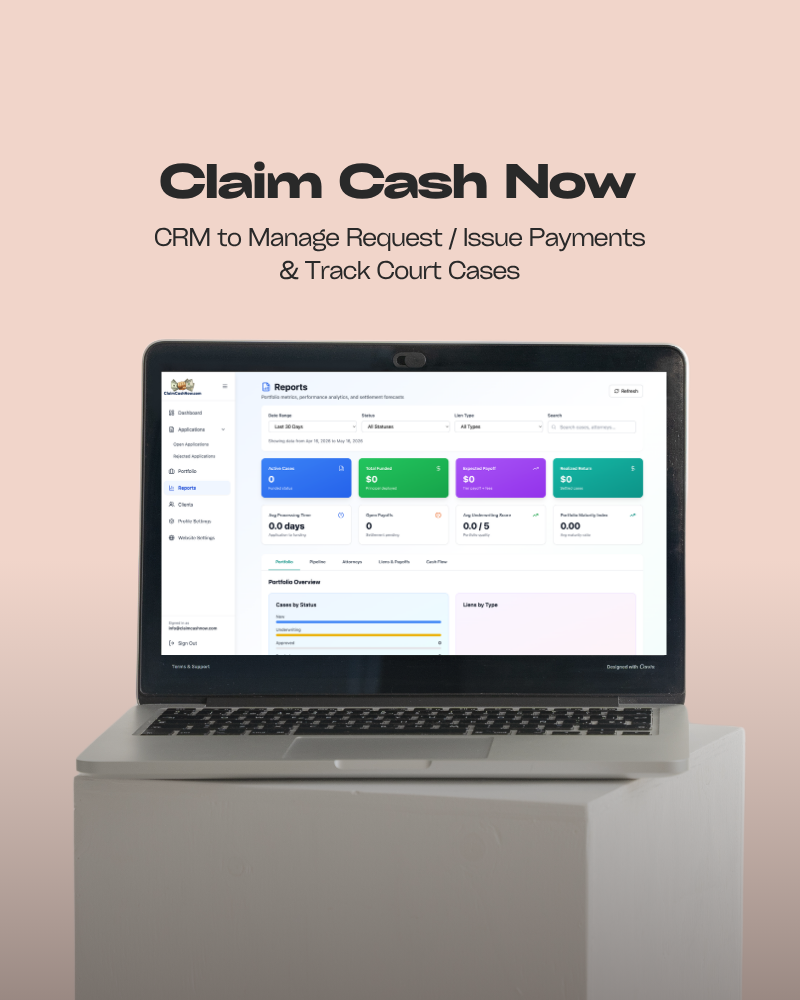
We have built this kind of connected system for brands like Claim Cash Now and Spectrum Communications, where the goal was the same: stop people from being the manual link between tools and let the work run on its own. Once the core is live, we train your team on it and hand over documentation so the system belongs to you, not to us.
What it costs
We scope every build to the team, so exact pricing follows a short discovery call. That said, here are the typical ranges on this site so you can plan.
A CRM implementation typically runs from AED 12,000 to AED 80,000 and up, depending on how many tools you connect, how much data needs migrating, and how deep the automation goes. Smaller startup builds sit at the lower end; multi-tool, multi-team setups sit higher. If WhatsApp is part of how you handle leads or support, a WhatsApp Business API setup typically runs AED 2,600 to AED 13,000 and up.
Most teams then keep us on an ongoing retainer, typically AED 2,600 to AED 6,500 per month, to monitor workflows, fix breaks fast when a tool or API changes, and add new automations as the product grows. That keeps the system reliable instead of something that quietly rots after launch.
Where to start
If your team is spending its week moving records between tools, the fastest win is usually one automated workflow around your worst bottleneck. You do not have to commit to rebuilding everything to find out whether this works. Book a discovery call and we will map your stack, point out the highest-pain workflow, and give you a clear scope and price before any work begins. No retainer, no lock-in until you have seen what the first automation actually saves you.
How We Help Dubai SaaS and Tech Teams
AI Automation Layer
We add an automation layer over your stack so repetitive ops, data entry, routing, follow-ups, reporting, run without a human babysitting them.
n8n Workflow Builds
Custom n8n workflows wire your tools together, signups, billing, support, and CRM, so data moves automatically instead of through copy-paste.
CRM Implementation
A CRM your team will actually use, set up to capture, score, and route leads in seconds so nothing sits unworked in an inbox or sheet.
Connected Reporting
One source of truth across signups, pipeline, and usage, live dashboards instead of someone exporting CSVs every Monday morning.
Lead Routing and Scoring
New leads get scored and routed to the right owner in seconds, so sales works the warmest signups first instead of digging through an inbox.
Workflow Maintenance
Ongoing monitoring so workflows keep running when tools change or APIs shift, with fast fixes and new automations added as your product grows.
SaaS Marketing Agency FAQs

Work with us
Tell Us About Your Project
Share your requirements and we will come back with the right next step, timeline, and delivery approach.
Start a Conversation
Tell us what you're building. We'll tell you how to make it faster.