GoDesign FZE - Dubai Digital Agency
Marketing

SEO Company Dubai, Organic Growth That Compounds

Technical SEO, content strategy, and keyword execution that outranks your competition month after month.
Get a scope & quote
SEO Company Dubai, Organic Growth That Compounds cover

What Our SEO Company Does

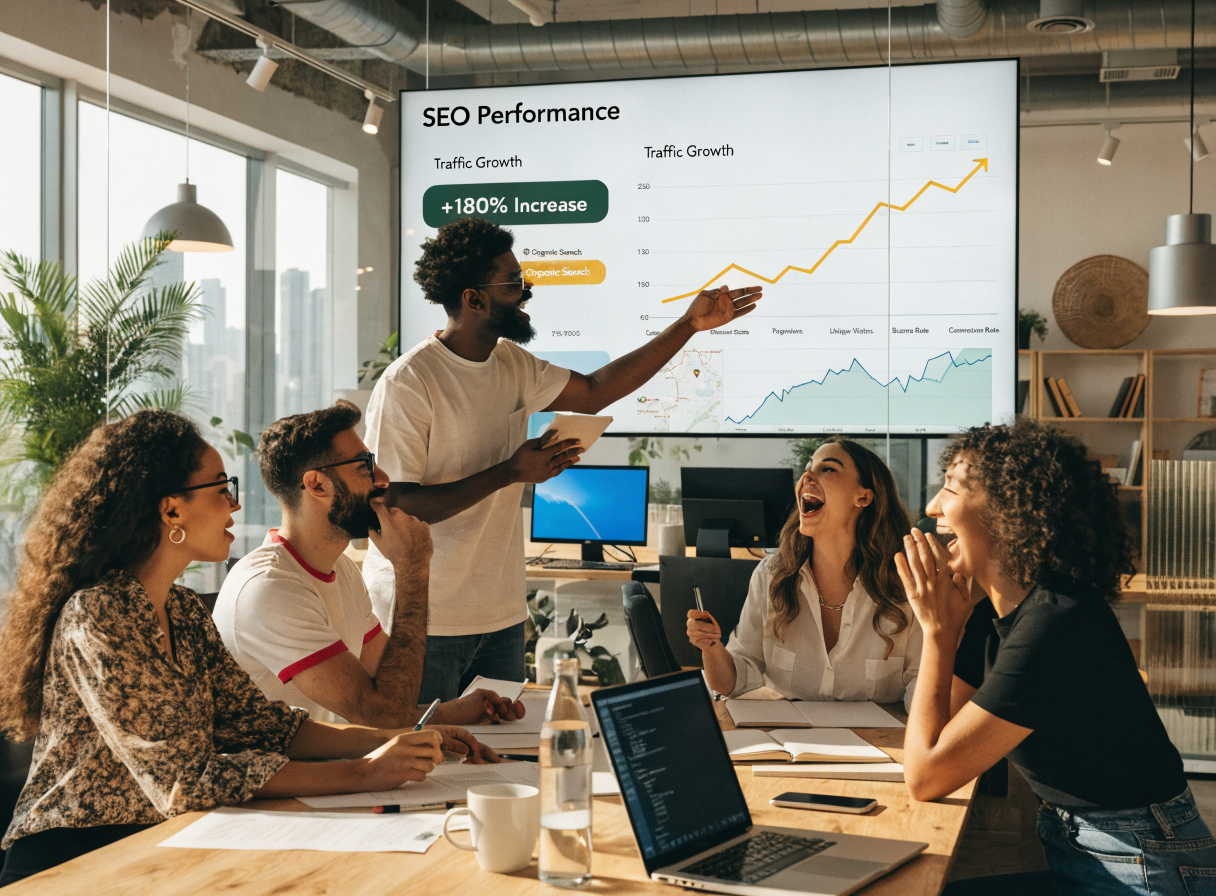
SEO compounds. Every month it gets cheaper per click, and the traffic keeps growing long after you stop spending. As an SEO company Dubai businesses rely on, we deliver technical SEO, content strategy, and authority building as an integrated system-not vanity metrics, but measurable revenue from organic search.
Service detail

SEO Services We Deliver in Dubai

Technical SEO Audit
01

Technical SEO Audit

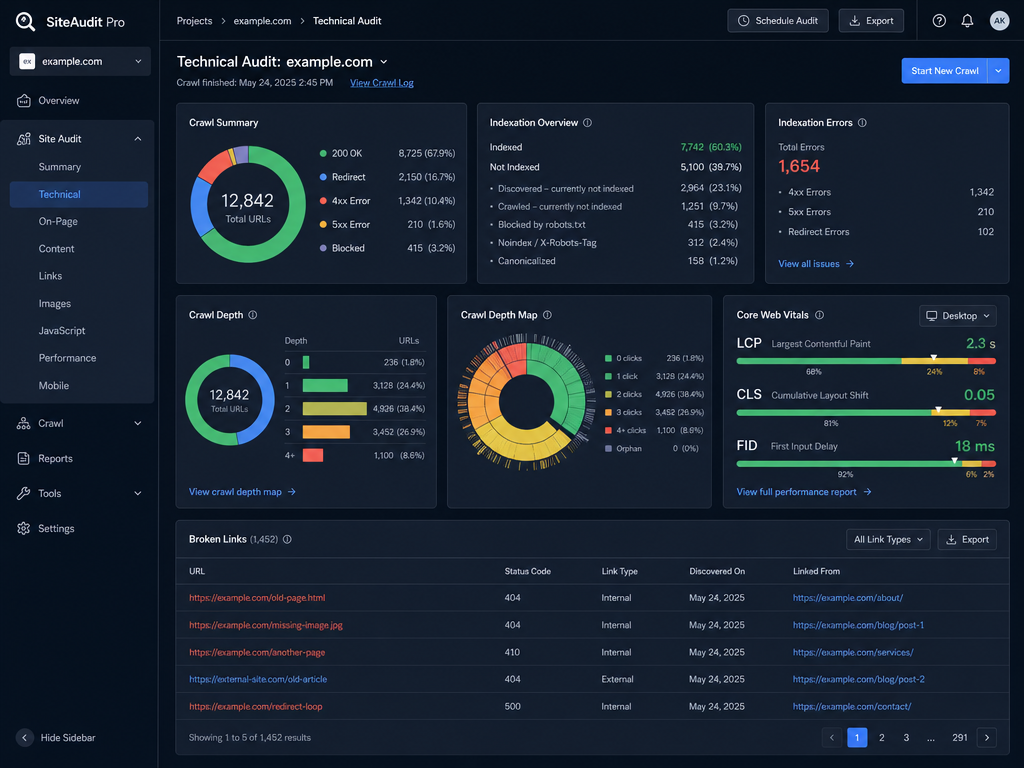
Crawl your entire site. Identify indexation issues, crawl errors, and Core Web Vitals problems.
On-Page Optimization
02

On-Page Optimization

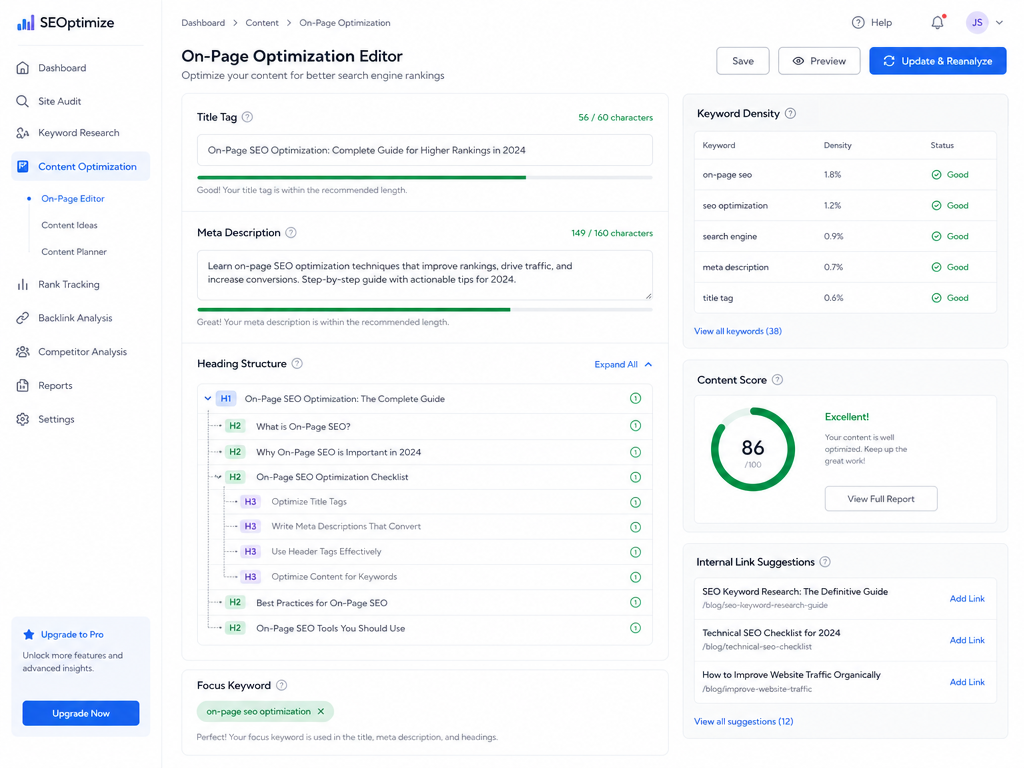
Title tags, meta descriptions, heading structure, internal linking. Optimize for target keywords.
Content Strategy
03

Content Strategy

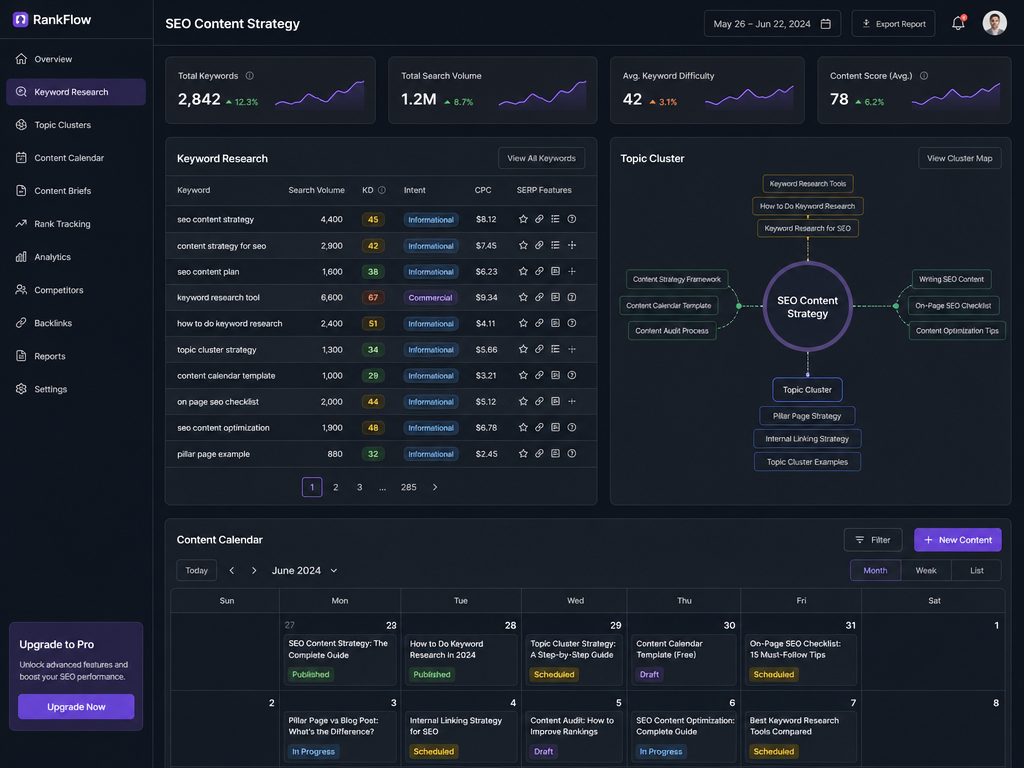
Keyword research finding high-intent opportunities. Content calendar and topic pillars for authority.
Local SEO
04

Local SEO

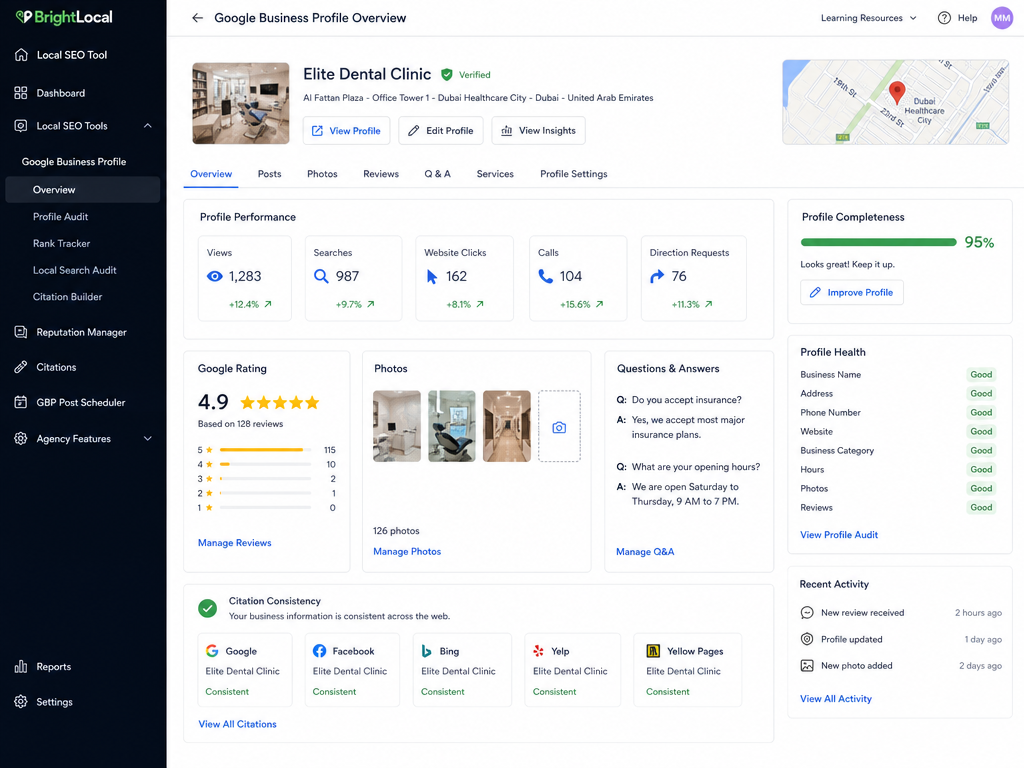
Google Business Profile optimization. Local citations. Location-specific content for UAE markets.
Link Building & Authority
05

Link Building & Authority

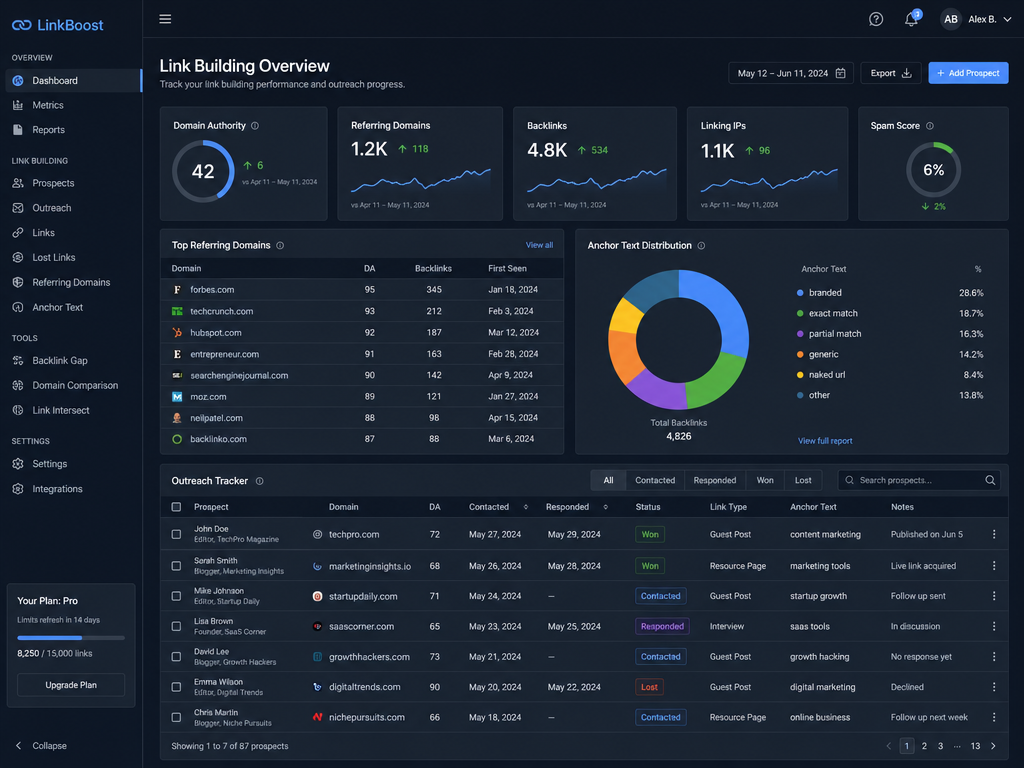
Identify linking opportunities. Build authority with high-quality, relevant backlinks.
Reporting & Analytics
06

Reporting & Analytics

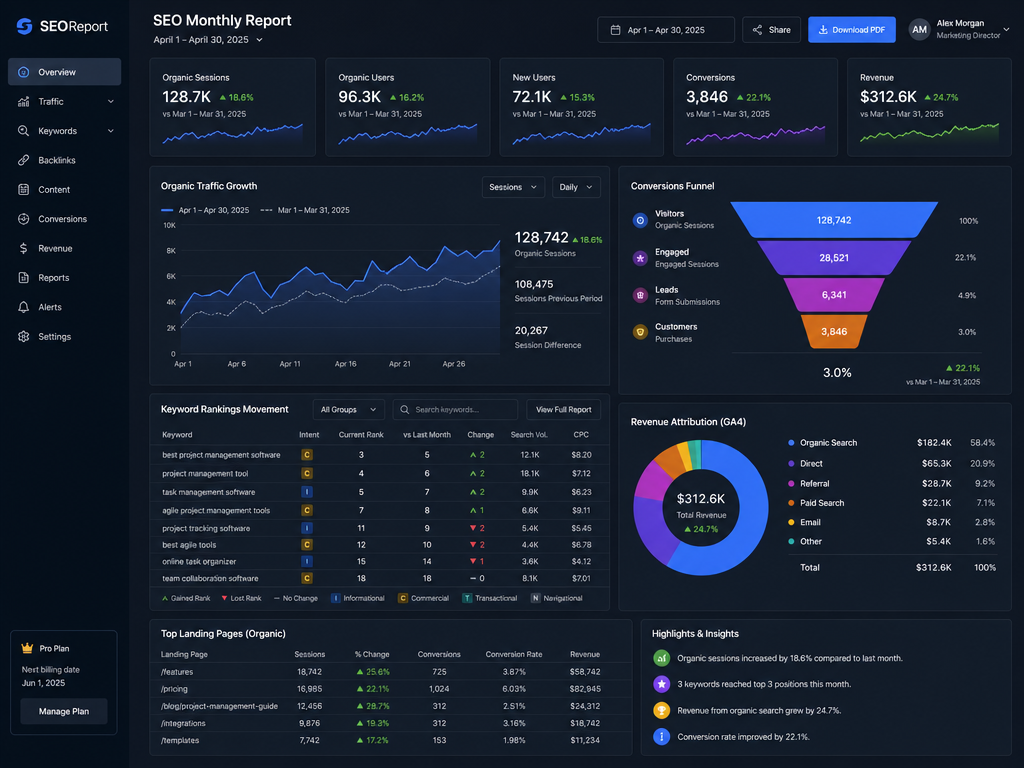
Monthly reports with traffic, rankings, and revenue impact. GA4 setup and conversion tracking.

Our SEO Process

01

SEO Audit

Comprehensive technical audit, competitor analysis, and keyword opportunity assessment.

02

Strategy & Planning

Define target keywords, create content pillars and topic clusters, set ranking goals.

03

Technical Fixes

Fix mobile optimization, site speed, indexation, security. Implement schema markup.

04

Content Creation

Create and optimize content for priority keywords. Internal linking strategy.

05

Link Building & Monitoring

Build authority with quality backlinks. Monitor rankings and optimize underperforming pages.

Want this running in your business?

30-minute call. We map your current process and show you exactly what the automated version looks like.

Send your requirements

SEO is a compound advantage. Every month, it gets cheaper per click. Every month, it compounds. Stop spending on advertising, and your PPC traffic disappears. Stop doing SEO, and your organic traffic remains:and keeps compounding.

We work across the business districts where most of our clients sit: an SEO agency in Business Bay, JLT, Al Barsha or Dubai Media City is competing in the same national index, so the location on the letterhead matters far less than whether the work is technical, editorial and link-led. What district proximity does buy is meetings in person, which is why we keep an office in Media City rather than working entirely remotely.

We build SEO systems that work for years, not campaigns that stop when your budget runs out.

For businesses wanting to understand the content volume required for meaningful organic growth, read this →

Organic content performs better when brand voice is consistent across every page. If your brand isn't fully defined, see our logo design and brand identity service. Run a consulting, legal, or advisory practice? See our guide to SEO for professional services firms and the month-by-month SEO roadmap for professional services.

What Our SEO Delivers

3-6 months

Time to First Rankings

50-150%

Average Traffic Growth (Year 1)

500+

Keywords We've Ranked

5x

Average ROI on SEO Spend

Why choose GoDesign

Why Choose Us

  • Full technical SEO audit and remediation
  • Keyword research and content strategy
  • On-page optimization across all pages
  • Local SEO for Dubai and UAE markets
Who this service is for

Who It’s For

  • Businesses spending on paid ads that want an organic alternative
  • New market entrants needing to build authority fast
  • E-commerce stores losing product visibility to competitors
  • Service businesses that should rank for local intent queries

Usama Ahmed K.
What Clients Say
"Great communication, delivery on-time and great understanding of requirements. The SEO strategy we implemented took our organic visibility from near-zero to page 1 in 6 months."

Usama Ahmed K.

Director · E-Commerce Business

SEO Services FAQs

Timeline depends on competition and keyword difficulty. Quick-win keywords (lower competition, higher volume) can show results in 4-6 weeks. Moderately competitive keywords typically show improvement in 3-6 months. Highly competitive keywords might take 6-12 months to rank. Most SEO programs show measurable progress (increased rankings, more organic clicks) in the first 3 months. We set realistic expectations upfront based on your target keywords. SEO compounds over time: the longer you invest, the better the returns. Most clients see positive ROI within 6-12 months and see SEO becoming their primary traffic source within 12-24 months.

No legitimate SEO company can guarantee rankings. Anyone making guarantees is either lying or doesn't understand SEO. Google's algorithm considers 200+ factors and changes several times yearly, so no one can control outcomes. What we guarantee: strategy-driven work following Google's guidelines, full transparency in reporting (rankings, traffic, conversions), regular optimization based on performance, and honest communication about realistic timelines. We succeed when you get more qualified organic traffic and conversions, not just specific keyword rankings. We focus on the business metric (revenue from organic) rather than vanity metrics (keyword #1).

SEO (Search Engine Optimization) is organic search-Google shows your site naturally based on relevance. It's free traffic, but takes time to build. Once ranked, you get traffic for years without paying per click. SEM (Search Engine Marketing) typically refers to paid search advertising (PPC-Pay Per Click). You bid on keywords and pay each time someone clicks your ad. PPC traffic stops immediately when your budget runs out. Each approach has advantages: PPC is immediate (traffic within days), organic is compound (traffic grows and compounds over time). Smart strategies use both: run PPC while building organic rankings, then rely on organic as it grows.

Ideally both. Paid advertising (PPC/SEM) gets you in front of customers immediately but costs money per click-typically AED 1.30-5.20 per click depending on your industry. Organic search takes 3-6 months to build but then costs almost nothing per click. A balanced approach: use PPC for immediate sales while building organic rankings, then shift budget to organic as rankings improve. Common timeline: Month 0-3: spend heavily on PPC, invest in SEO; Month 3-6: increase PPC spend, PPC ROI improves, organic begins to show results; Month 6+: reduce PPC, increase organic investment as organic ROI compounds. Eventually, organic becomes your primary channel and PPC becomes supplementary.

Yes. Local SEO helps you rank for location-specific searches (like 'web design Karachi' or 'CRM services Lahore'). Tactics include: Google Business Profile optimization (correct address, hours, phone, categories, photos), local citations (listing your business on directories like JPages, Zameen), local link building (partnerships with local businesses, local press), location-specific content (pages targeting specific cities/regions), and local reviews. Local SEO is critical if you serve specific geographic areas. We help businesses rank for local intent queries and get found by customers searching in their area.

SEO services typically start at AED 1,300/month for basic optimization and content. More comprehensive programs (keyword research, content creation, technical SEO, link building) range from AED 2,600-6,500/month. Enterprise-level SEO (large sites, multiple keywords, international markets) can exceed AED 6,500/month. Cost depends on: keyword difficulty (competitive keywords cost more to rank for), content volume (creating 10 articles/month costs more than 2), competition (more competitors = more effort needed), and site complexity (large e-commerce sites need more technical work). We recommend 6-12 month minimum engagements because SEO is cumulative-longer commitments deliver better results and better value per month. Performance-based pricing (paying for actual results) is also possible for established sites.

A comprehensive technical audit analyzes: crawlability (can Google access and crawl your site?), indexation (are all important pages indexed?), site speed (how fast does your site load?), Core Web Vitals (LCP, FID, CLS scores), mobile usability (is your site mobile-friendly?), SSL/HTTPS (is your site secure?), duplicate content (are pages competing with each other?), broken links and redirect chains (are links still valid?), structured data/schema markup (is your data properly marked up?), robots.txt and sitemap quality (are you directing Google correctly?), internal linking strategy (how are pages connected?), and more. The audit identifies technical barriers preventing ranking and provides specific fixes. We deliver a prioritized list: critical issues (fix immediately), important (fix this month), and nice-to-have (optimize later).

Keyword research is the foundation of SEO strategy. We analyze: search volume (how many people search this?), keyword difficulty (how hard is it to rank?), search intent (what does the searcher want?), and commercial intent (could this keyword lead to sales?). We use tools like SEMrush, Ahrefs, Google Keyword Planner, and Google Search Console. We prioritize long-tail keywords (3+ words, less competition, more specific intent) over head keywords (1-2 words, massive competition). We look for high-volume, low-difficulty opportunities (quick wins), and then tackle harder keywords long-term. Example: instead of targeting 'web design' (impossible competition), we'd target 'web design for e-commerce Pakistan' (specific, lower competition, qualified intent). We provide a keyword map showing: target keywords by page, search volume, difficulty, and strategic priority.

Search volume shows monthly searches for a keyword (higher = more potential traffic). Keyword difficulty measures how hard it is to rank for that keyword based on competitor domain authority and backlinks (higher = more difficult). The best keywords have high volume + low difficulty (low-hanging fruit). Keywords with high volume + high difficulty are long-term targets. Keywords with low volume + low difficulty are quick wins but may not drive much traffic. We balance: targeting quick wins early (boost confidence, get early results), then tackling harder keywords over time. Your keyword strategy should follow this sequence: easier keywords first (quick wins), then medium-difficulty, then harder keywords as your domain authority grows.

Quality beats quantity by far. One backlink from a highly authoritative, relevant site (like an industry publication or news site) is worth 100 backlinks from low-quality, irrelevant sites. Google evaluates: authority of linking site (how trusted is it?), relevance (is the topic related?), anchor text (what text links to you?), and placement (where on the page?). We focus on earning high-quality links through: creating great content people want to link to, guest posting on relevant industry sites, getting featured in press coverage, building partnerships with complementary businesses, and resource page placement. Link building is a long-term strategy-quality links take time to earn. We never buy links or use automated link schemes (black-hat tactics that violate Google's guidelines).

An XML sitemap is a file listing all your website's pages, images, and videos. It tells search engines: what pages exist, how important each page is (priority), how often pages change (update frequency), and when pages were last updated. Sitemaps are essential for: large sites (1000+ pages-helps crawl everything), sites with many images or videos, sites with complex navigation structures, and sites launching new content. We create and optimize sitemaps: include all important pages, set appropriate priority (homepage higher than category pages), update frequency based on reality (homepage changes daily, archive pages rarely). Sitemaps make Google's job easier and help ensure all your pages get indexed.

Consistency beats frequency. Publishing 2 quality articles monthly that rank well is better than publishing 8 low-quality articles monthly that don't rank. Frequency matters less than: quality (well-researched, comprehensive), keyword optimization (targeting the right keywords), and relevance (addressing real customer questions). A realistic content schedule depends on your resources: some businesses publish weekly, others monthly. What matters: sticking to a schedule (Google favors fresh, consistent content) and focusing on quality. We typically recommend a content calendar: 2-4 articles/month for small to medium businesses, more for larger operations. Each article targets 1-2 keywords and serves a strategic purpose.

Mobile optimization is now essential, not optional. Google uses mobile-first indexing: Google primarily crawls and indexes the mobile version of your site for ranking. If your site doesn't work well on mobile, you won't rank well. Mobile optimization includes: responsive design (adapts to all screen sizes), fast mobile load times (under 3 seconds), touch-friendly navigation (large buttons, proper spacing), legible text (proper font sizes), and mobile Core Web Vitals (LCP, FID, CLS measured on mobile). Over 60% of web traffic is mobile, and over 70% of e-commerce traffic is mobile. A site that works great on desktop but poorly on mobile will lose rankings and conversions. We audit mobile performance and optimize ruthlessly.

White-hat SEO follows Google's guidelines and best practices. It's sustainable and won't get your site penalized. Tactics include: quality content, technical optimization, legitimate link building, and user-focused design. Black-hat SEO breaks Google's rules for short-term gains. Tactics include: keyword stuffing (overusing keywords unnaturally), hidden text (white text on white background), cloaking (showing different content to Google vs users), and buying links. Black-hat might boost rankings short-term but leads to severe penalties: deindexing (removing your site from Google), ranking drops, and sometimes permanent bans. We only do white-hat SEO because: it's sustainable, it builds long-term value, and the short-term gains of black-hat aren't worth the risk. Legitimate SEO takes longer but lasts.

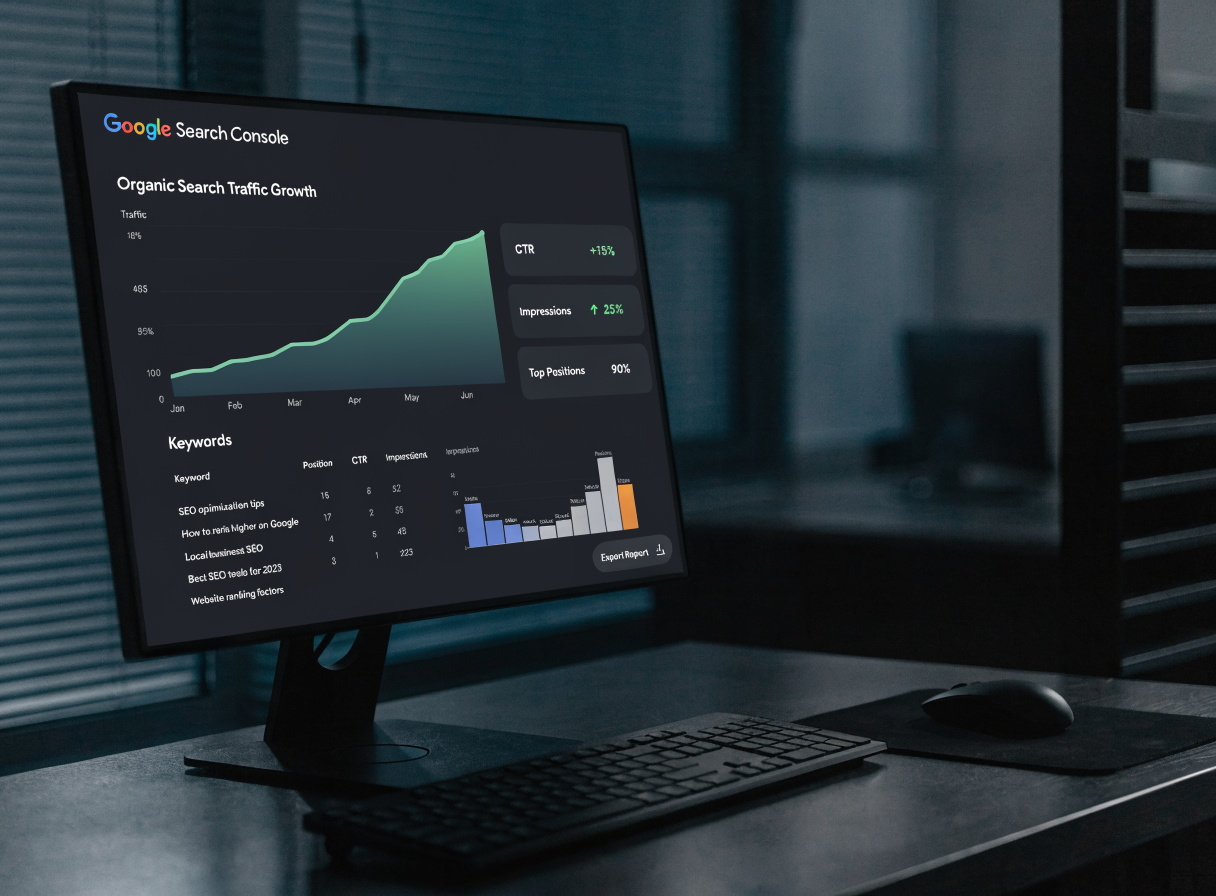
We track comprehensive metrics: keyword rankings (how you rank for target keywords), organic traffic (Google Analytics data), click-through rate (% of searchers who click you), conversion rate (% of visitors who become customers), revenue attribution (revenue from organic traffic), and ROI (revenue vs investment). We set up Google Analytics 4 to track behavior, Google Search Console to see keywords Google ranks you for, and custom dashboards for monthly reporting. Monthly reports include: rankings gained/lost, organic traffic trends, top keywords, top landing pages, conversion trends, and strategic recommendations. We track business metrics (revenue, conversions, leads) not just vanity metrics (keyword #1 ranking). Our goal is clear: increase qualified organic traffic and business results.

Core Web Vitals are three Google-measured user experience metrics: LCP (Largest Contentful Paint-how fast your page loads to show main content), FID/INP (First Input Delay/Interaction to Next Paint-how responsive your site is to user clicks), and CLS (Cumulative Layout Shift-how stable your layout is, do elements shift while loading?). Google uses Core Web Vitals as ranking factors-sites with poor scores may rank lower. Core Web Vitals also impact real user experience: slow sites frustrate users and lose conversions. We optimize all three: improve LCP by optimizing images, removing render-blocking scripts, improving server response time; reduce CLS by pre-defining image/video sizes and avoiding unexpected content shifts; and improve INP by reducing JavaScript processing time. Tools like Google PageSpeed Insights measure Core Web Vitals and suggest optimizations.

Absolutely, and in most cases, rebuilding isn't necessary. We improve existing sites through: technical optimization (fixing crawlability, speed, mobile issues), on-page optimization (improving titles, meta descriptions, heading hierarchy), content expansion (adding optimized content to existing pages or new pages), and link building (earning backlinks). For sites with good structure, improvements can be dramatic without architecture changes. Sometimes major changes help: if your site is built on old technology that's limiting performance, a rebuild makes sense. But most improvements happen through optimization, not rebuilding. We assess your current site and recommend the highest-impact improvements first, whether that's technical fixes, content updates, or link building-with a phased approach so you see results quickly rather than waiting for a massive project.

Need this service?

Share Your Requirements

Share your requirements and we will come back with the right next step, timeline, and delivery approach.

Tell us your goals

Project Brief

Start a Conversation

Tell us what you're building. We'll tell you how to make it faster.