





An AI voice agent demo is the easiest thing in the world to fall for. A clean synthetic voice books a fake appointment, handles one scripted objection, and the founder on the other end says "imagine this running 24/7 across your whole pipeline." It sounds like the future. Sometimes it is. Often it is a product engineered to win the demo and lose the deployment.
Before you put budget behind any AI voice calling tool, you need to ask the questions the demo is designed to keep you from asking. These are the ones that decide whether you get a working outbound channel or a monthly bill for calls nobody answers.
In short
- "Per minute" is never the real price. A quoted base of roughly 5-12 cents per minute becomes 10-30 cents all-in once you stack telephony, the LLM, speech-to-text, text-to-speech and the platform fee. Ask for the all-in number.
- Your number's reputation decides if the phone even rings. Answer rates for unknown and cold numbers have fallen hard as carrier spam-labelling spread, so ask how the vendor manages caller ID, STIR/SHAKEN attestation and number rotation.
- Compliance is on you, not the vendor. In the UAE, TDRA Cabinet Resolutions 56 and 57 of 2024 govern automated marketing calls with fines from AED 10,000 into six figures. In the US the TCPA still applies, even after its "one-to-one consent" rule was vacated in January 2025.
- Ask for proof, not a demo. Connect rates, average handle time and booked-meeting rates from real campaigns matter. A scripted demo proves nothing.
- Voice is often the wrong first channel. For most UAE businesses, opt-in WhatsApp automation reaches people where they actually reply, without the spam-label and consent problems voice carries.
Question 1: What is the real, all-in cost per conversation?
Almost every AI voice vendor quotes a per-minute rate, and almost every per-minute rate is misleading. The number they say out loud is usually the base platform charge. What you actually pay is a stack.
A single AI voice call is at least five services running at once: the telephony carrier that connects the call, the speech-to-text that transcribes what the human says, the large language model that decides what to say back, the text-to-speech that voices it, and the platform that orchestrates all of it. Each has its own cost, and each bills you.
Realistically, a base rate in the region of 5 to 12 cents per minute turns into 10 to 30 cents per minute all-in once every layer is counted. On a campaign of thousands of dials, most of which are never answered, the gap between the quoted number and the real number is the difference between a channel that pays for itself and one that quietly drains budget.
The questions to ask:
- Is the quoted rate the base platform fee, or the all-in cost including telephony, LLM, STT and TTS?
- Am I billed for unanswered calls, voicemail drops and connection time, or only for connected conversations?
- What does a real 1,000-dial campaign cost end to end, not per minute in isolation?
If a vendor cannot give you a blended cost per connected conversation, they are selling you a meter, not an outcome.

Question 2: Will the phone even ring?
This is the question that sinks most cold AI voice programs, and it has nothing to do with how good the AI sounds. It is about whether people pick up at all.
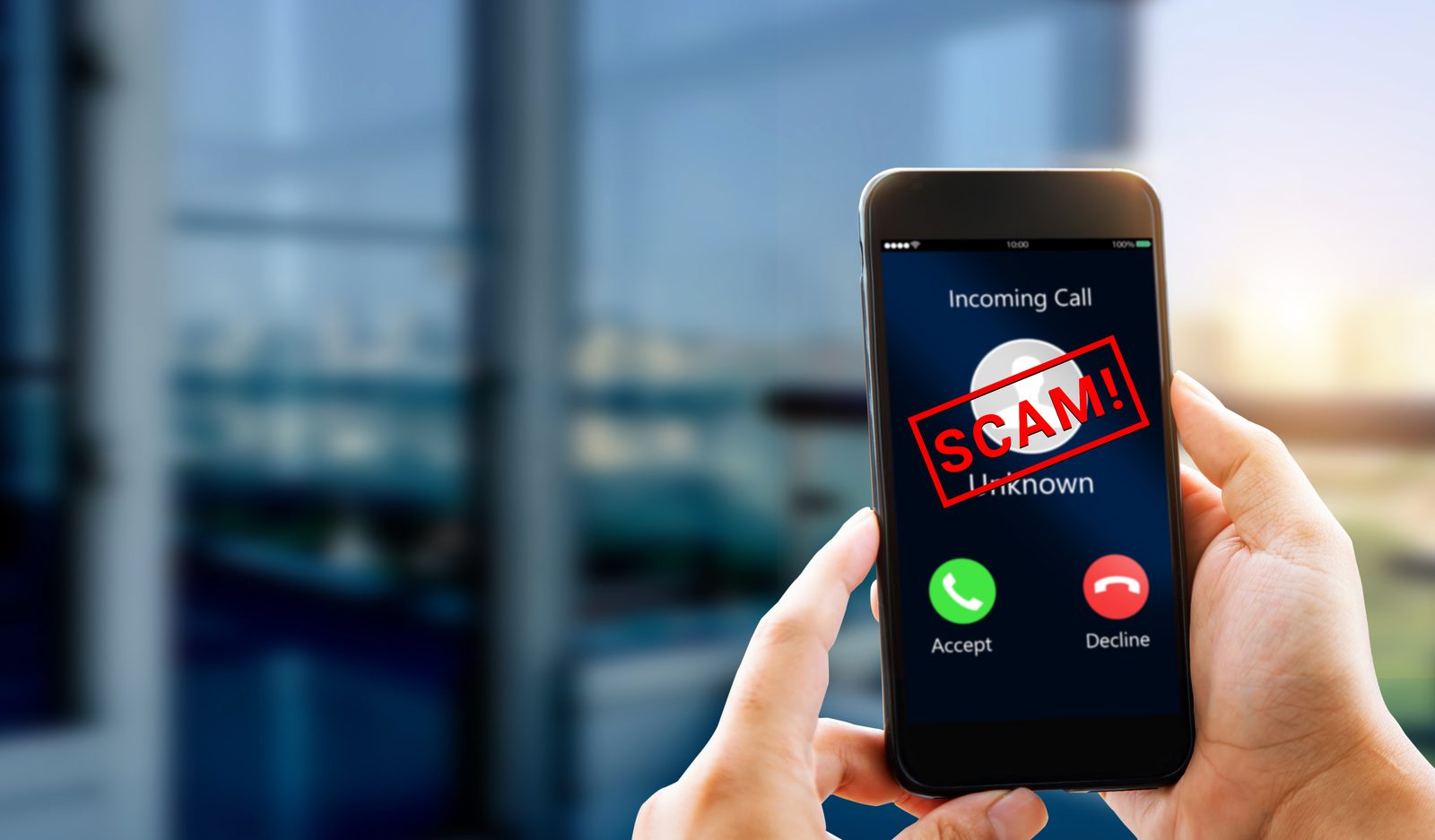
Answer rates for calls from unknown numbers have collapsed over the last decade. As carriers and phone operating systems rolled out spam detection and "Scam Likely" style labelling, cold and unrecognised numbers increasingly go straight to voicemail or get silenced. Pew and Google's own research on call screening both point the same way: people do not answer numbers they do not recognise, and they have been trained not to. Pumping thousands of automated dials through a fresh number is one of the fastest ways to get it flagged, after which your connect rate falls off a cliff.
So the real question is not "how natural is the voice" but "how do you keep my numbers trusted enough to reach a ringing phone." A serious vendor should have concrete answers on:
- Caller ID and STIR/SHAKEN. How is your outbound number attested and displayed? STIR/SHAKEN is the carrier framework that signs calls as legitimate; without proper attestation, calls are more likely to be labelled spam.
- Number reputation management. Do they monitor when a number gets flagged, and rotate or warm numbers rather than burning one to death?
- Volume pacing. Do they throttle dial volume per number to avoid tripping carrier spam thresholds?
If the answer is "we just plug in a number and go," expect your connect rate to decay fast.
Question 3: Who is liable when it breaks a rule?
AI voice sits on top of telemarketing law, and the platform almost never takes that liability for you. You do.
In the UAE, automated and unsolicited marketing calls fall under the TDRA framework, tightened by Cabinet Resolutions 56 and 57 of 2024, which regulate how and when businesses can contact people for marketing and set penalties that run from AED 10,000 up into six figures for violations, alongside rules on registered numbers and consent. Running an outbound AI voice campaign into UAE numbers without understanding these is a real financial risk, not a theoretical one.
In the US, the TCPA (Telephone Consumer Protection Act) governs automated calls, with statutory damages per violation. One important nuance: the FCC's "one-to-one consent" rule, which would have tightened how lead consent worked, was vacated by a federal court in January 2025, so the older consent standard still applies. This is exactly the kind of thing vendors get wrong or gloss over, and getting it wrong is expensive.
The questions to ask:
- Does the tool handle consent capture, opt-out honouring and do-not-call suppression, or is that my responsibility?
- Does it disclose that the caller is an AI, where the law requires it?
- Can it geofence or exclude jurisdictions where I am not compliant?
Assume liability is yours unless a contract says otherwise, because it almost always is.
Question 4: Where is the proof, not the demo?
A demo is a controlled environment built to impress. Real deployment data is not. Any vendor asking for real budget should be able to show numbers from actual campaigns:
- Connect rate: of dials placed, how many reach a live human?
- Average handle time: how long do real conversations last, and where do they break down?
- Containment or booking rate: of connected calls, how many reach the goal (a booked meeting, a qualified lead, a resolved query) without a human taking over?
- Drop and failure rate: how often does the AI mishear, loop, or fail to handle an accent or interruption?
Be especially wary of "calls per day" claims. Figures like 60 to 75 productive calls per agent per day are a rough rule of thumb for human callers, not a guaranteed throughput for an AI dialer, and vendors sometimes blur the two to make volume sound effortless. Ask what those numbers look like on your list, in your market, with your accents.
Question 5: What happens to your data and your conversations?
Every AI voice call generates a recording, a transcript, and a pile of inferred data about the person on the line. Where that goes matters, both for compliance and for whether the tool actually makes your business smarter.
- Data residency and retention: where are recordings and transcripts stored, for how long, and does that satisfy UAE data rules for your customers?
- Integration: does the outcome of each call flow back into your CRM automatically, or does someone re-key it? A voice tool that does not update your system of record is just generating orphaned audio files.
- Model training: are your conversations used to train the vendor's models, and can you opt out?
A tool that captures rich conversation data but strands it outside your CRM has quietly created work instead of removing it.
The question underneath all the others: should this be a voice call at all?
Here is the uncomfortable one. Most businesses evaluating AI voice tools are trying to solve a reach-and-follow-up problem, and voice is frequently the worst channel to solve it with, for exactly the reasons above: cold numbers do not get answered, spam labelling is brutal, and consent law is heavy.
For the majority of UAE businesses, opt-in WhatsApp automation reaches people where they already are and actually reply. WhatsApp is the default messaging channel across the region, message open and response rates dwarf cold-call answer rates, and the whole interaction runs on explicit opt-in, which sidesteps the "will they even pick up" and much of the "am I allowed to contact them" problem in one move. A customer who opted in to hear from you on WhatsApp is a fundamentally warmer, cleaner contact than a cold dial into a spam-labelled number.
This does not mean voice never has a place. For inbound calls, for warm high-value follow-ups, for confirming appointments with people who expect your call, a well-built AI voice agent can genuinely help. But as the first outbound touch to a cold list, it is usually the hardest, most expensive, most legally fraught option on the table.
Where GoDesign fits
We build outbound and follow-up automation for UAE businesses, and we are not tied to selling you a voice dialer. That is the point. When a client comes to us wanting AI voice calling, the first thing we do is pressure-test whether voice is even the right channel for the job, using the same questions above.
More often than not, the better answer is a WhatsApp Business API setup with opt-in automation: AI-assisted replies, lead qualification, and follow-up sequences that reach people on the channel they actually use, wired straight into your CRM so every conversation updates the system of record. If you are still deciding whether you need that CRM layer at all, our guide on whether you need a CRM for WhatsApp marketing walks through it honestly.
Where voice genuinely fits, for inbound handling or warm confirmations, we build it as one component of a larger AI automation system rather than a standalone tool that shouts into voicemail. The goal is the outcome you actually want, more booked conversations at a cost that works, not a voice agent for its own sake.
Frequently asked questions
How much does an AI voice calling tool really cost per minute? The quoted base rate is usually around 5 to 12 cents per minute, but the all-in cost, once telephony, the language model, speech-to-text, text-to-speech and the platform fee are stacked, is closer to 10 to 30 cents per minute. Always ask for the blended cost per connected conversation, since most dials on a cold campaign are never answered but can still cost you.
Why do AI cold calls have such low answer rates? Because carriers and phone operating systems now label unknown and suspicious numbers as spam, and people have been trained not to answer numbers they do not recognise. High-volume automated dialing from a fresh number gets it flagged quickly, after which answer rates drop sharply. Number reputation, STIR/SHAKEN attestation and volume pacing matter more than how natural the AI voice sounds.
Is AI voice calling legal in the UAE? Automated marketing calls in the UAE are regulated by the TDRA under Cabinet Resolutions 56 and 57 of 2024, with penalties starting around AED 10,000 and rising into six figures for violations, plus rules on consent and registered numbers. The compliance liability sits with the business running the campaign, not usually the software vendor, so you need to understand the rules before you dial.
Is WhatsApp automation better than AI voice calling? For most UAE businesses doing outbound outreach and follow-up, yes. Opt-in WhatsApp automation reaches people on the channel they actually use and reply on, avoids the spam-labelling problem that kills cold-call answer rates, and runs on explicit consent, which simplifies compliance. Voice still makes sense for inbound calls and warm, expected follow-ups.
What should I ask an AI voice vendor before buying? Ask for the all-in cost per connected conversation (not per minute), how they manage number reputation and STIR/SHAKEN so calls actually get answered, who holds compliance liability, real deployment metrics (connect rate, handle time, booking rate) rather than a scripted demo, and where your call data is stored and whether it integrates with your CRM.
GoDesign builds outbound, follow-up and conversational automation for businesses across the UAE, on the channel that actually fits the job rather than the one with the flashiest demo. If you are weighing an AI voice calling tool or want to compare it honestly against WhatsApp automation, get in touch and we will map what would actually move the needle for your pipeline.