





Most ecommerce projects that go wrong in the UAE do not go wrong on design. The storefront looks fine. The problem shows up three weeks after launch, when an order comes in on the marketplace side and the storefront still shows the item in stock, or a fulfillment webhook silently stops firing and nobody notices until a customer complains. These are not design failures. They are integration failures, and they are almost entirely preventable if you scope the sync work correctly before you sign anything.
We work across Shopify, WooCommerce, Magento, BigCommerce and Laravel-based custom builds, and the pattern below repeats regardless of platform. If you are comparing Shopify against a custom build for your UAE store, the platform-choice question is covered in our Shopify vs custom ecommerce for UAE stores guide. This piece is about what breaks once the platform decision is made and the integrations start.
Mistake 1: scoping "integration" like it's a plugin install
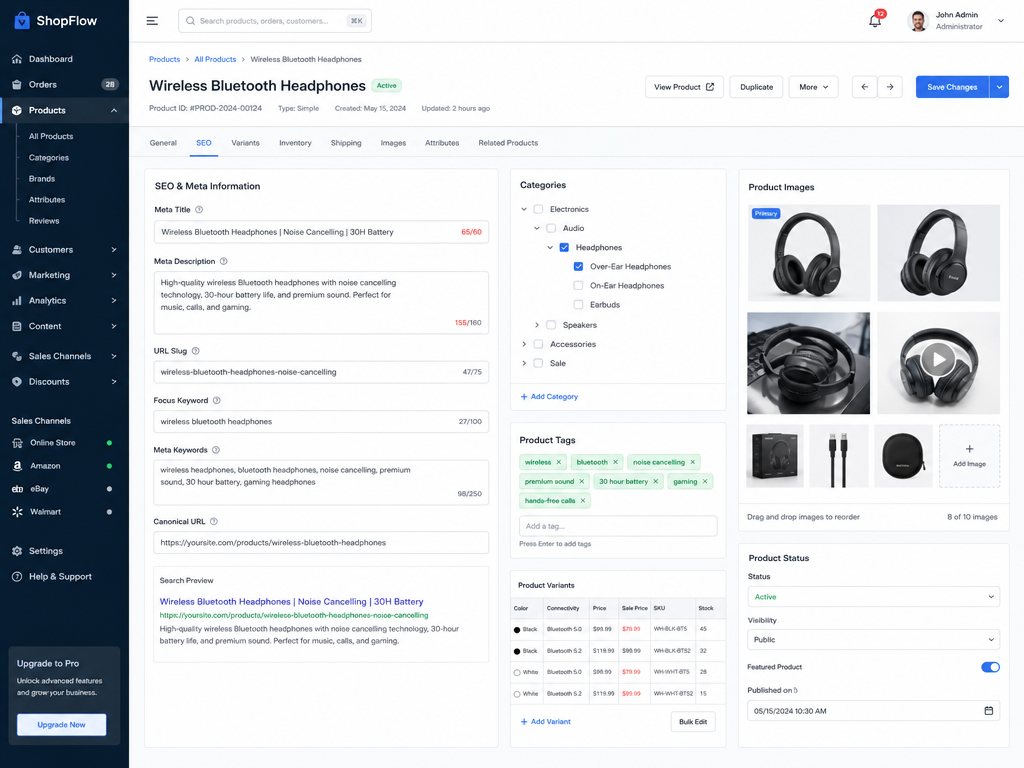
The single most common pattern we see in inbound requests is a budget that treats integration as a checkbox rather than a build. A real example from our own project inbox: a client wanted a full ecommerce integration between a marketplace (G2A) and a store builder (Selldone) - two-way sync on listings, inventory and order status - scoped at $50-100. That is not a pricing gap, it is a scope misunderstanding. A working two-way sync between a store and an external marketplace needs authentication handling, mapping between two different data models (SKUs, variants, pricing rules), error handling for when one side is down, and a webhook or polling layer to keep both sides current. That is days of engineering, not an afternoon.
This is not a one-off. We see the same shape of request across platforms: a marketplace connector, a print-on-demand sync, a supplier feed, quoted at a price that would barely cover the discovery call. If your integration budget is under four figures AED, you are very likely scoping for a plugin install, not a sync system. Any serious ecommerce development Dubai quote should separate storefront work from integration work as line items, because they carry entirely different risk. Ask the agency what happens when the two systems disagree about stock - if they cannot answer, the integration was never actually scoped.
Mistake 2: treating marketplace and store inventory as one thing
An "Amazon Store + Printify Integration" request is a good example of the second most common failure. Print-on-demand and marketplace setups look simple from the outside: connect Printify to Amazon, and orders should just flow. In practice, three separate sync problems hide inside that one sentence:
- Inventory truth. Printify holds fulfilment-side stock (or "unlimited" for print-on-demand), Amazon holds listing-side stock, and your store (if you have one alongside Amazon) holds a third number. Without a single source of truth and a sync interval short enough to matter, you oversell.
- Order routing. An order placed on Amazon needs to reach Printify's production queue automatically, with the right variant and shipping address mapped correctly. A manual step here is where most delays and wrong-item shipments come from.
- Status round-trip. Once Printify ships, Amazon needs the tracking number and status update to close the order loop, or you get support tickets asking where the order is despite it already being fulfilled.
Each of those is a distinct integration point. Agencies that quote "Amazon and Printify integration" as a single line item are usually only accounting for the first one.
Mistake 3: launching multi-channel before the store can handle single-channel
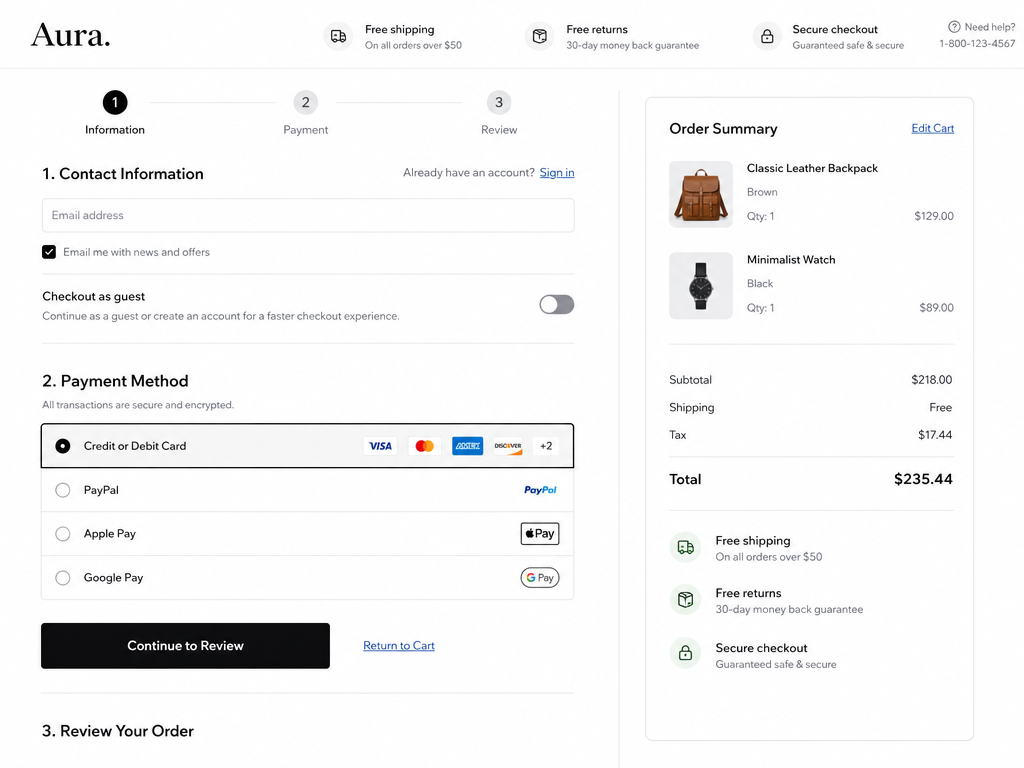
Not every request in our inbox is over-ambitious. A recurring counter-example is the opposite pattern done right: a "Minimalistic Shopify Store for Silver Jewellery" request, scoped as a single, clean storefront with no marketplace sync, no multi-warehouse logic, no complex variant matrix. Just a store that loads fast, shows the product clearly, and checks out cleanly. That is very often the correct call for a new UAE brand, and it is the build most likely to actually ship on schedule and convert.
The mistake we see UAE stores make is skipping this stage. A founder wants Shopify, Amazon UAE, Instagram Shop and a WhatsApp catalog live simultaneously at launch, before the single storefront has proven it converts. Every channel you add multiplies your sync surface area. Get one channel converting well first. Add the second once the first is stable enough that a sync failure would actually be noticed and matter.
What good ecommerce integration looks like in practice
We have delivered ecommerce builds across a range of platforms and integration complexity levels, and the pattern that separates the ones that stay stable from the ones that need constant firefighting is always the same: the integration logic gets designed before the storefront gets styled, not after.
A few examples from stores we have built or supported, matched to the platform and integration shape:
- Shopify, DTC, single-channel done well. Rothy's runs a Shopify storefront built around sustainability storytelling and product discovery, no marketplace complexity layered in until the core store was proven.
- Shopify, inclusive apparel brand. Kirrin Finch needed a brand-forward Shopify build with structured apparel collections - the kind of single-platform build that should be the default starting point for most new UAE DTC brands, similar in spirit to the "minimalistic Shopify store" pattern above.
- WooCommerce, curated retail. Papaya Baby Store runs WooCommerce with organized product collections for an international buyer base, proof that WooCommerce handles curated catalogs cleanly when the integration scope stays realistic.
- WooCommerce, B2B with a real integration load. DC Components is a UK B2B electronics distributor on WordPress and WooCommerce with a structured, filterable technical catalog - the kind of build where product data integrity matters more than storefront polish, because procurement buyers are checking specs before checking design.
None of these launched with every channel wired up on day one. Each scoped the integration to match what the business actually needed running at launch.
A scoping checklist before you commit to an ecommerce integration
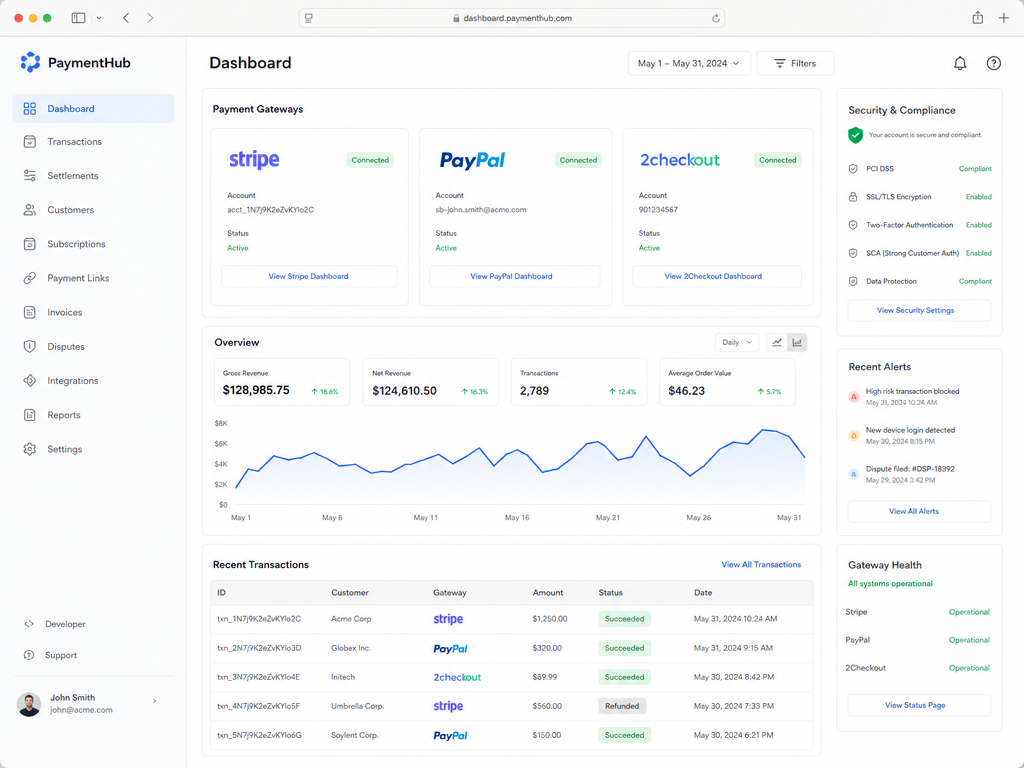
- Name every system that needs to stay in sync - store, marketplace(s), fulfillment/dropship tool, CRM, accounting. Each connection is a separate piece of work, not a line item shared across all of them.
- Decide the source of truth for inventory before development starts. Whichever system is authoritative, every other system needs to defer to it or you will oversell.
- Ask what happens when a sync fails. A silent failure that nobody notices for two weeks is worse than no integration at all. Error alerting is part of the scope, not an extra.
- Match the CRM integration to the store, not the other way round. If leads and orders need to land in a CRM for follow-up, that is its own integration layer - the same discipline we apply to CRM implementation work generally, ecommerce or not.
- Launch with fewer channels than you want. One channel converting reliably beats four channels each half-synced.
Where GoDesign fits
We build and integrate ecommerce stores on Shopify, WooCommerce, BigCommerce, Magento and custom Laravel platforms for UAE and international clients, including B2B catalogs, marketplace sync (Amazon, print-on-demand suppliers) and CRM-connected storefronts. See our full ecommerce development Dubai service for platform selection, checkout optimization, payment integration and the sync architecture covered above. A rebuilt or newly integrated store is also the right moment to fix ecommerce seo fundamentals - product schema, category structure, page speed - before the old issues get carried into the new build; our SEO services team handles that as a companion to the integration work.
Scoping an ecommerce integration right now?
Tell us what needs to sync - marketplace, fulfillment tool, CRM - and we'll tell you honestly whether your current scope and budget match. No pitch, just a straight answer.