




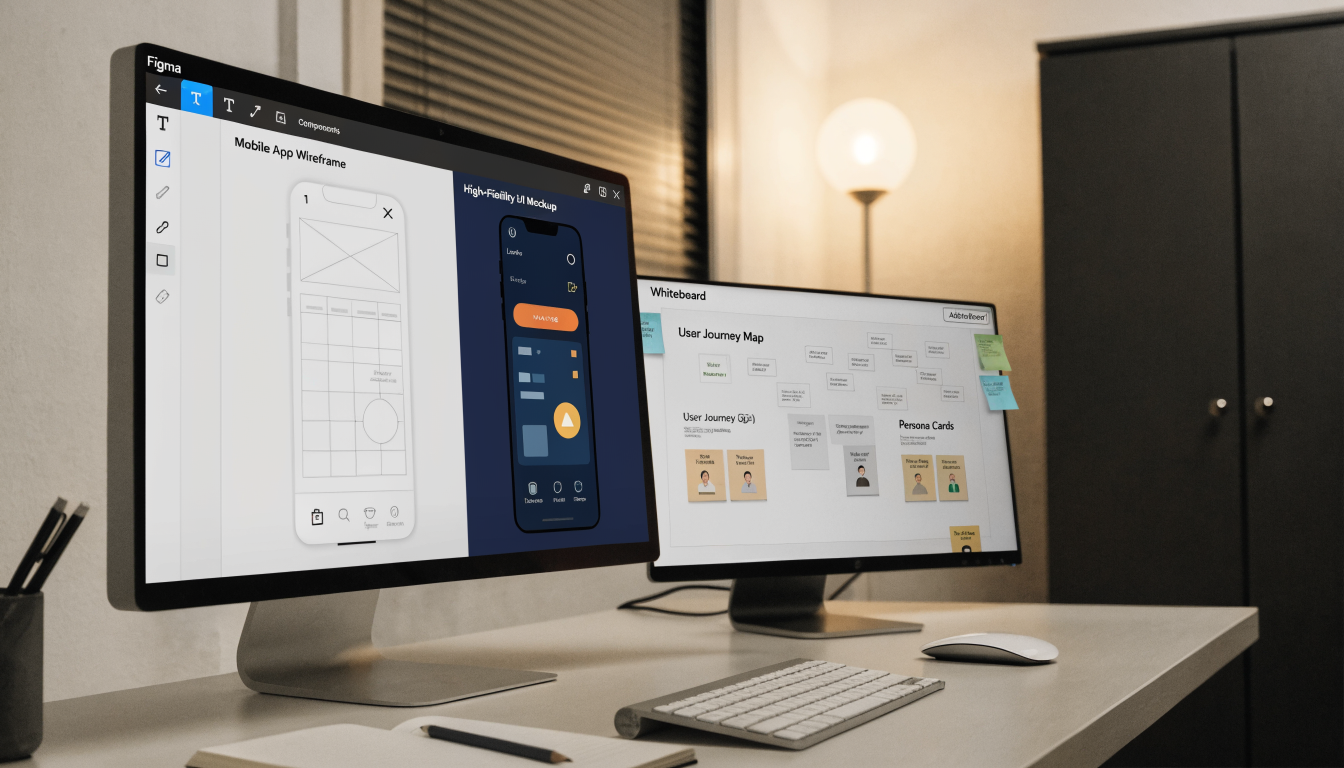
Ask most UAE businesses why they are redesigning their website again, and the answer is usually framed as strategy: "our brand has evolved," "we're targeting a new segment," "the old site doesn't reflect where we are now." Sometimes that is true. More often, looking at the actual project history, the real reason is simpler: the first site was never built to last, so two years later it needs replacing rather than updating - which is exactly the gap that proper ui ux design Dubai studios are supposed to close before launch, not after the second rebuild.
The pattern in the requests we actually see
Across the inbound design and redesign work we see, a specific pattern repeats far more often than genuine repositioning: "Modern Cocoa Butter Website Design," "Wix Portfolio Visual Redesign," plain "Website Design" requests with no strategic brief attached, and - most tellingly - multiple separate "Website Migration and Design" jobs for what is functionally the same type of business asking for the same type of rebuild, just a platform or two later. These are not requests from brands that have outgrown a considered design system. They are requests from brands that never had one, replacing a cheap build with another build that will need replacing again.
The tell is in the brief itself. A genuine repositioning project comes with a reason: new market segment, new product line, a merger, an investor round that raised the bar on how the brand needs to present. A "modern visual redesign" request with no strategic framing is usually just fatigue with a site that looked dated within eighteen months, because nothing about the original build was designed to age well or extend cleanly.
Why the first build fails to last
No design system, only a design. A cheap first build typically delivers pages, not a system - no documented type scale, spacing rules, component library or usage guidelines. When the brand needs a new landing page, a new product section or a seasonal campaign page eighteen months later, there is nothing to extend. The team either hires the original builder again (if they're even still around) or starts from scratch with someone new, who has no reference for what "on-brand" means beyond eyeballing the old homepage.
Brand identity treated as a logo, not a system. Related but distinct: many UAE SMEs launch with a logo and a rough color palette, not a full brand identity - no typography system, no defined tone of voice, no guidelines for how the mark behaves across contexts. Without that foundation, every new designer who touches the site makes slightly different calls, and within two years the "brand" is really just whatever the current freelancer's taste happens to be. Our brand identity work exists specifically to close this gap before a website build starts, not after the third rebuild.
Platform migration disguised as redesign. A chunk of "redesign" requests are really platform-migration projects wearing a redesign label - moving off a page builder that has become unmaintainable, or off a developer who has gone quiet. The visual refresh gets bundled in because if you are rebuilding the technical foundation anyway, you might as well update the look. This is a legitimate reason to rebuild, but it is a different problem than brand evolution, and treating it as a design refresh means the underlying "why does this keep needing to be rebuilt" question never gets asked.
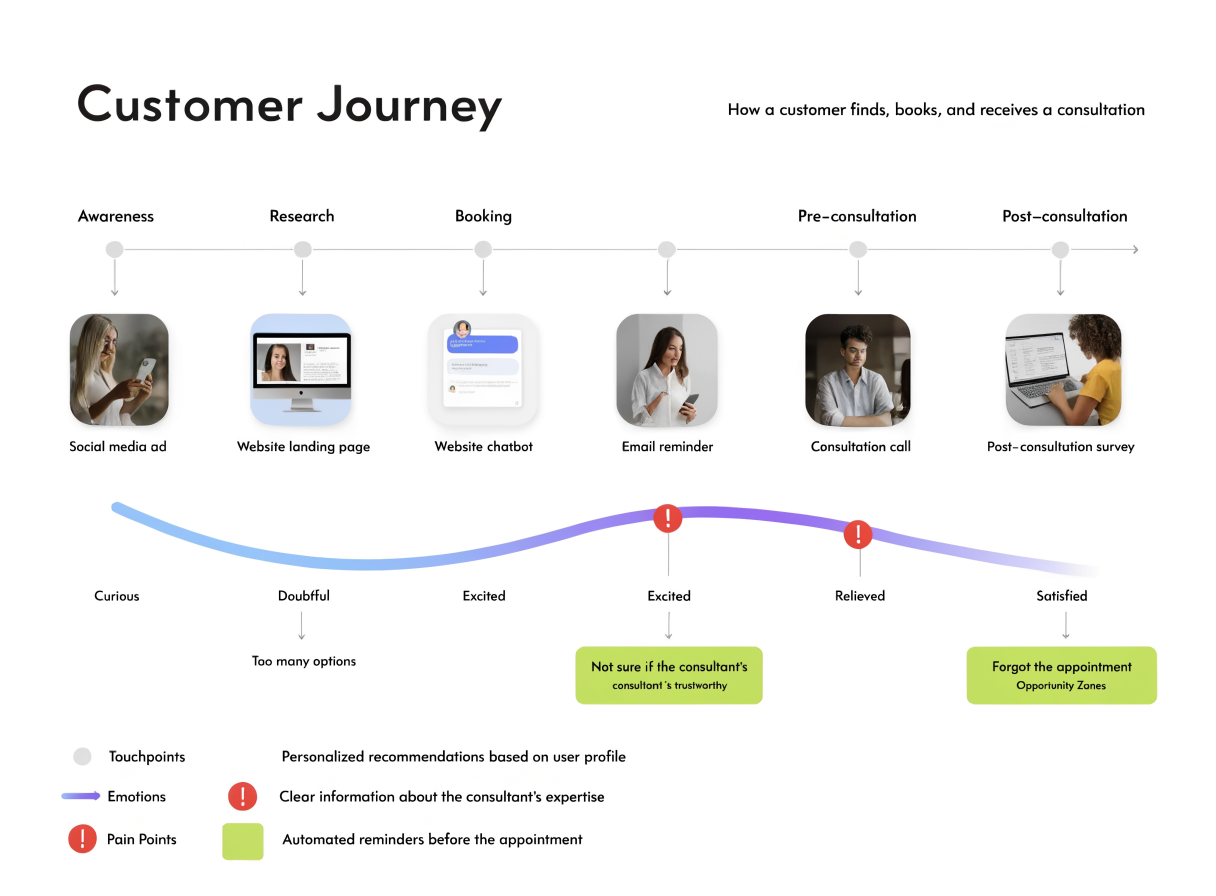
No usability validation before launch. Sites built fast and cheap skip the research and testing stage entirely - no user flow mapping, no validation that the navigation and conversion path actually work for real visitors. Problems that should have been caught in a design review instead surface as declining conversion months later, which reads internally as "the site feels old" even when the real issue is a checkout flow or contact form nobody tested.
What actually breaks the cycle
A website that survives more than two years without a full rebuild is not lucky, it is built differently from the start:
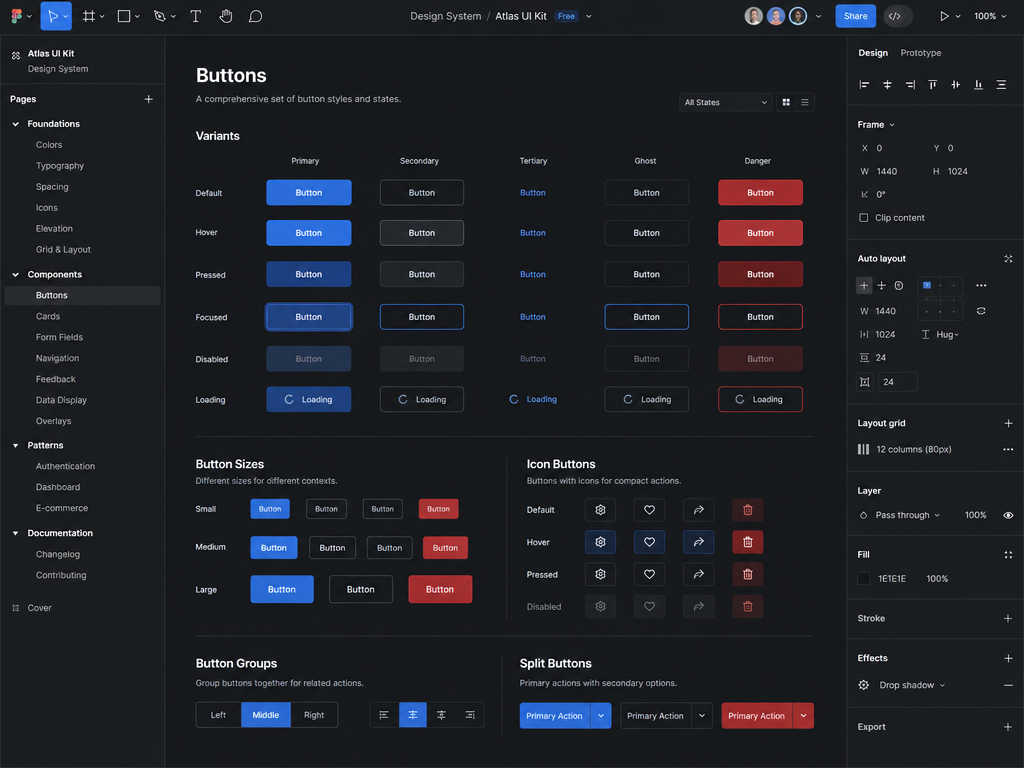
- A documented UI/UX design system - type scale, spacing, component library, usage guidelines - so new pages and sections extend the existing system instead of reinventing it. This is the core deliverable of proper UI/UX design work, and it is the single biggest difference between a site that ages well and one that doesn't.
- A real brand identity, not just a logo file. Color system, typography system, brand guidelines and asset templates mean every future designer - agency, freelancer, or in-house hire - has a reference to work from instead of guessing.
- User research before design, not after launch. Journey mapping and usability testing catch the problems that would otherwise surface eighteen months later as "the site feels dated," when the actual issue is friction in the flow.
- A platform choice that can scale with the business, so the next rebuild trigger is genuine growth, not a page builder hitting its ceiling.
The honest math: one properly scoped design system and brand identity project costs more upfront than a cheap first build, but less than two or three sequential rebuilds over five years - and it does not reset your SEO equity, your team's familiarity with the CMS, or your customers' brand recognition every time. A website design Dubai business commissions once, on this basis, tends to outlast three cheap rebuilds combined.
Where GoDesign fits
We deliver the kind of ui ux design Dubai businesses can actually build on for years - research, journey mapping, wireframes, high-fidelity design systems and usability testing through our UI/UX design service - alongside brand identity work covering logo, color and typography systems, the brand strategy Dubai teams can hand to any future designer, plus brand guidelines and templates. This is the foundation layer before a website build, not an afterthought bolted onto a redesign. A branding agency Dubai founders trust for the long term treats this as day one, not a rescue job three years in. If your business is evaluating a rebuild, worth checking first whether you need a new website or a proper ux design Dubai system behind the one you have.
If cost transparency around a full platform build is what you're weighing next, our sibling piece on real MVP and SaaS platform cost examples breaks down comparable numbers for a from-scratch build.
On your second or third website in a few years?
Tell us what keeps forcing the rebuild. Often it isn't the brand that needs to change, it's the system underneath it that was never built.
The same logic applies at individual scale. The benefits of having a personal website, for a founder, consultant or specialist, are the ones a LinkedIn profile cannot give you: a domain you control, search visibility against your own name, and a place to publish that does not disappear when a platform changes its algorithm or its terms.